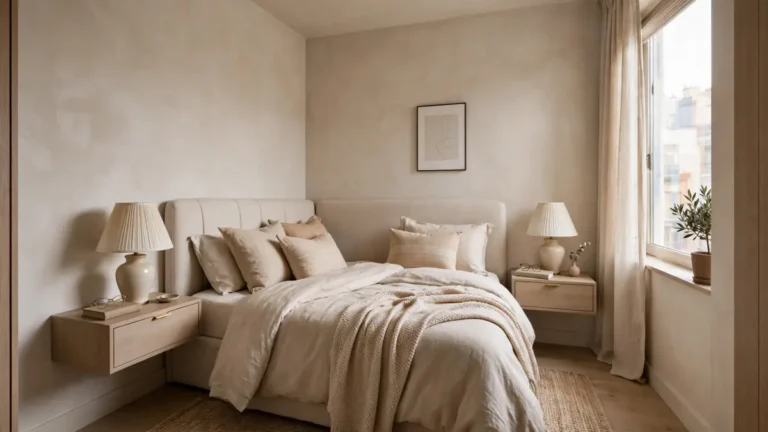
Kids Bedroom Decor Ideas: 18 Ideas That Make the Room Feel Complete
A child’s bedroom should feel cozy, personal, and full of little details that make it special. While furniture provides the foundation, the right finishing touches can turn a plain room into a space that feels thoughtfully decorated. From soft rugs and colorful wall art to personalized accents and charming storage, even a few carefully chosen details can make a noticeable difference.
If you’re looking for kids bedroom decor ideas that are easy to adapt to different ages, room sizes, and styles, you’ve come to the right place. These 18 ideas focus on simple decor pieces that add personality without making the room feel cluttered. Whether you’re decorating a toddler’s room, updating a school-age child’s bedroom, or refreshing a shared space, you’ll find plenty of inspiration to make the room feel complete.
18 Kids Bedroom Decor Ideas
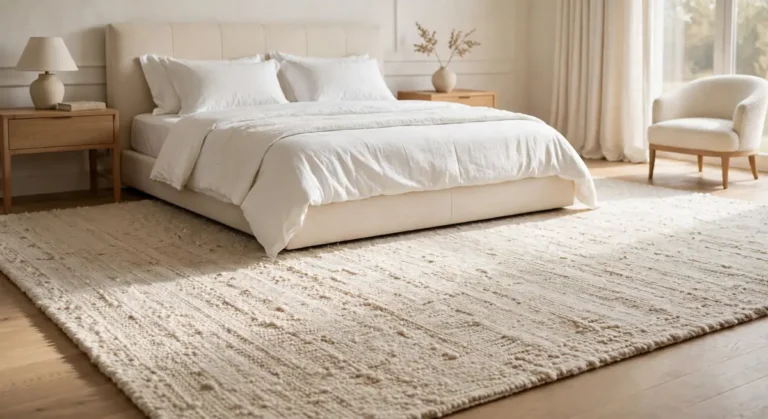
1. Add a Soft Area Rug to Anchor the Room
A soft area rug can instantly make a child’s bedroom feel warmer and more inviting. It also helps define the space around the bed or creates a comfortable spot for playing, reading, and relaxing. Choose a simple geometric pattern, subtle stripes, or a playful design that complements the existing bedding and wall colors.
Neutral rugs work beautifully in rooms with colorful accessories, while a muted pastel rug can soften a more minimal space. For everyday practicality, look for a washable or easy-to-clean option that suits your child’s needs.
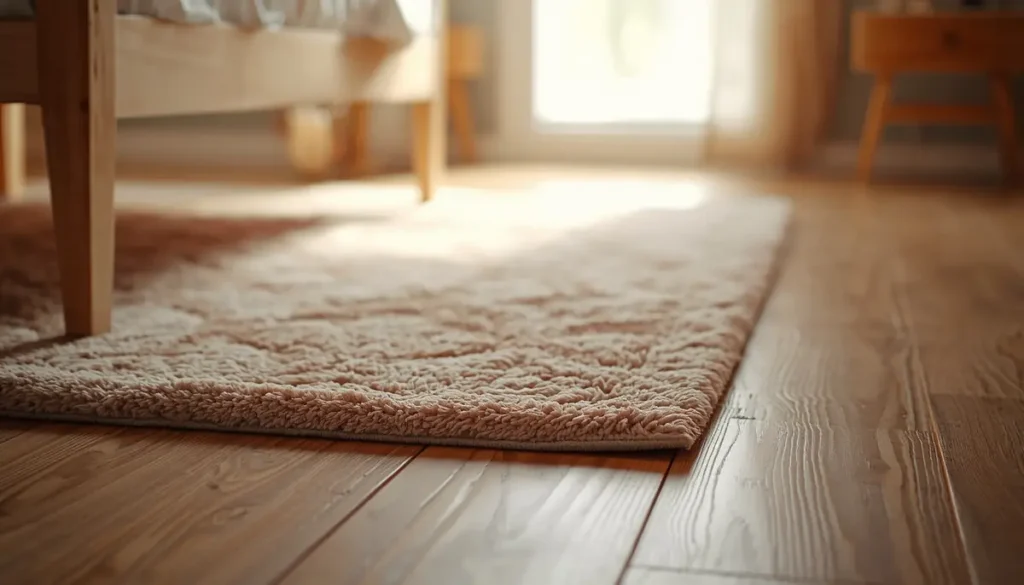
Pro Tip: Choose a rug large enough to extend beyond the sides of the bed. Use a suitable nonslip rug pad to help keep it in place.
2. Style the Walls With Framed Art
Blank walls can make a bedroom feel unfinished, and framed art is an easy way to introduce color and personality. Choose illustrations of animals, nature prints, abstract shapes, or artwork inspired by your child’s interests. A coordinated collection of two or three prints can look more polished than filling every wall with different decorations.
For a timeless look, use matching frames and repeat one or two colors from the bedding or rug. This helps the artwork feel connected to the rest of the room rather than like a separate addition.
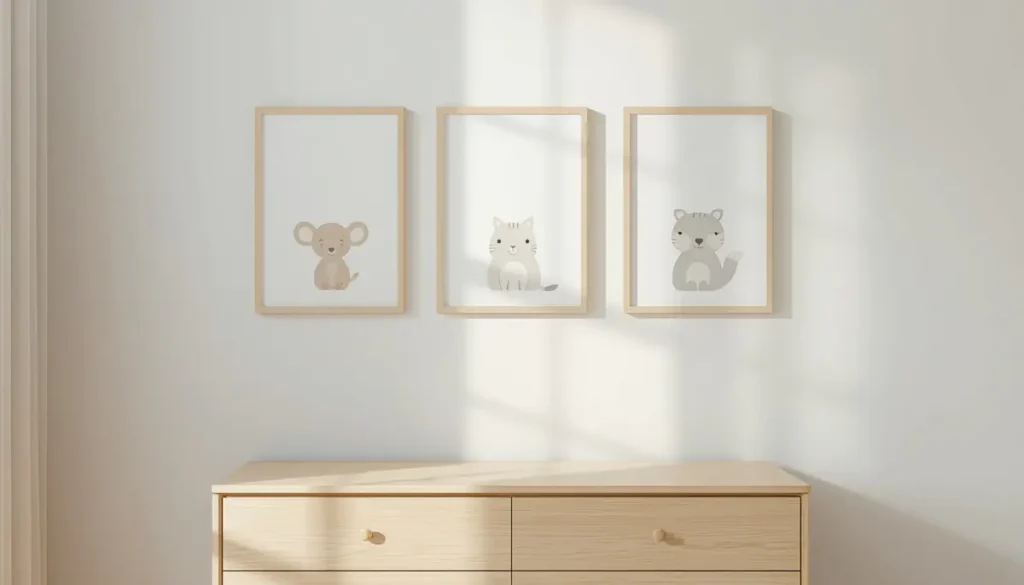
Pro Tip: Arrange lightweight artwork at a consistent height, and secure frames properly. Avoid placing heavy frames directly above the bed.
3. Bring in Decorative Throw Pillows
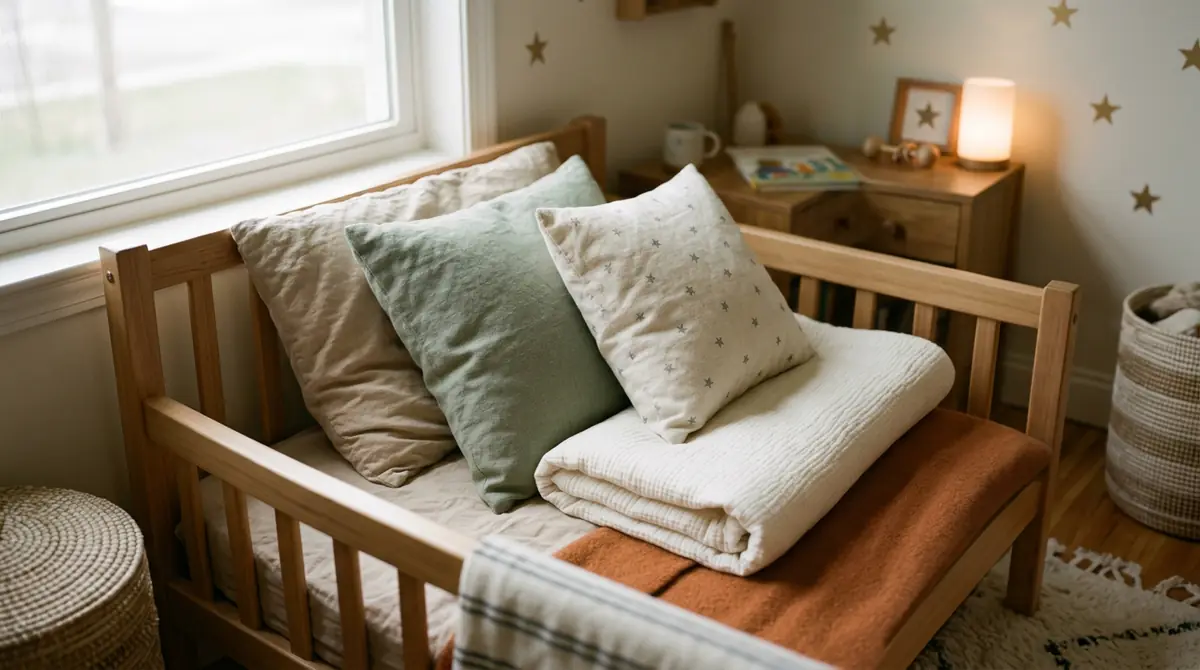
Throw pillows can make a bed feel layered and comfortable without requiring a complete bedroom makeover. Mix a couple of solid colors with one playful pattern, such as stars, checks, rainbows, or simple animal illustrations. Different textures can also add interest while keeping the overall color palette coordinated.
You don’t need a large collection. Two or three well-chosen pillows can create a finished look, especially when their colors complement the duvet cover and curtains.
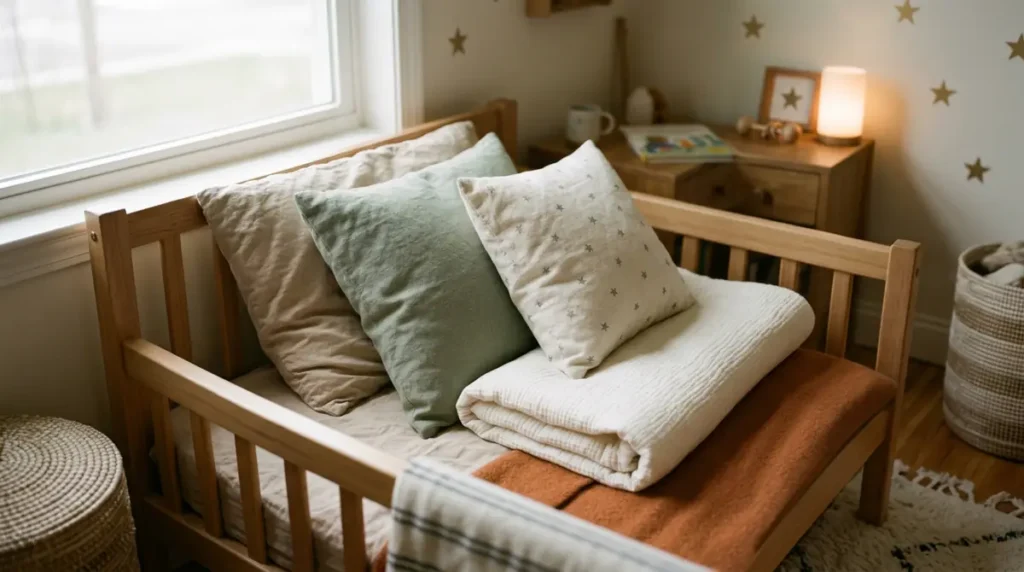
Pro Tip: Choose removable, washable covers for easier cleaning. Keep loose pillows out of an infant’s sleep space and follow age-appropriate safe-sleep guidance.
4. Drape a Cozy Throw Blanket Over the Bed
A throw blanket adds texture and makes the bed feel more inviting. Fold it neatly across the foot of the bed or drape it over one corner for a relaxed, styled appearance. Knit textures, soft cotton, and subtle patterns are all good options.
For a cohesive look, choose a throw that picks up a color from the rug, curtains, or wall art. If the bedding is already patterned, a solid-colored blanket can create a more balanced result.
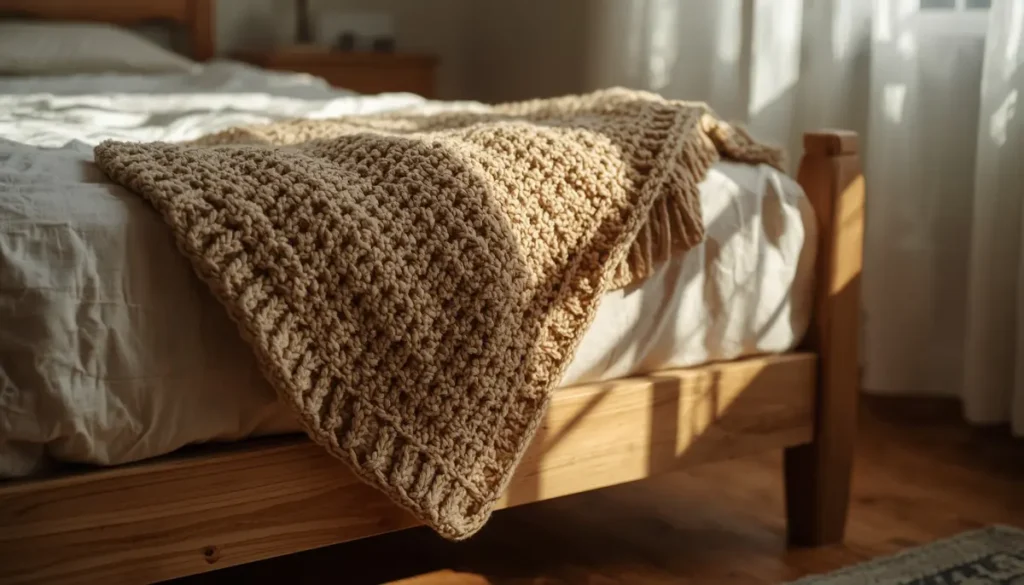
Pro Tip: Keep the throw blanket within the room’s existing color palette. A single contrasting accent color is often enough to make the bed stand out.
5. Use Curtains to Frame the Windows
Curtains do more than provide privacy. They can soften the room, introduce color, and make the windows feel like an intentional part of the design. Light-colored curtains create an airy atmosphere, while subtle stripes or small patterns can add a playful touch.
If the bedroom has bold bedding or colorful walls, simple curtains can help calm the overall look. In a more neutral room, curtains in a gentle accent color can provide just enough personality.
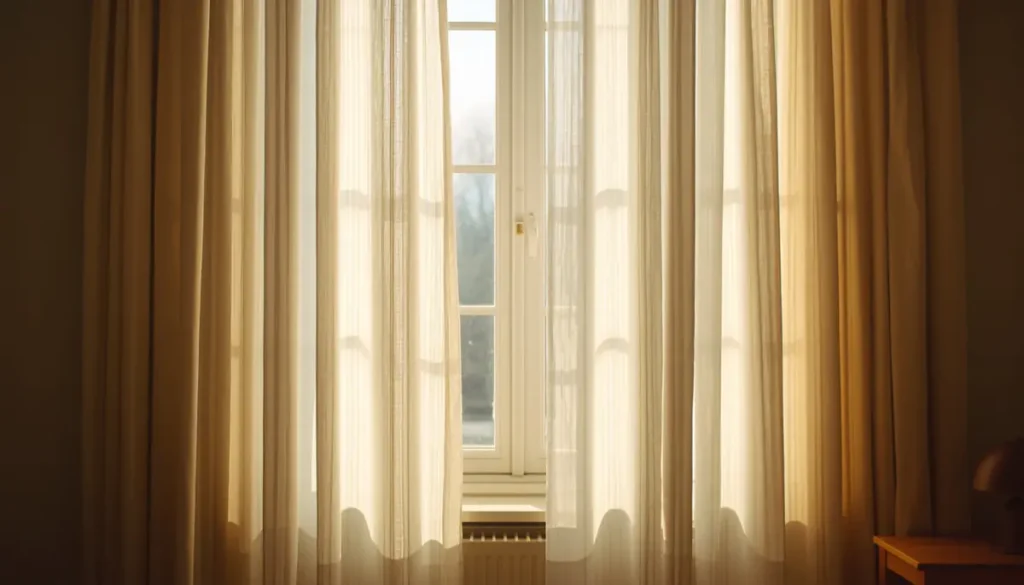
Pro Tip: Measure the window carefully before buying curtains. Secure curtain hardware properly and keep cords or chains out of children’s reach.
6. Add a Decorative Table Lamp
A table lamp can make a bedside table, dresser, or reading corner feel more complete. Choose a design that suits the room, such as a simple ceramic lamp, a rounded base, or a playful animal-inspired shape. A warm-toned light can create a softer atmosphere for quiet evening activities.
The lamp doesn’t have to match every other accessory. It simply needs to complement the furniture and color scheme while providing useful lighting.
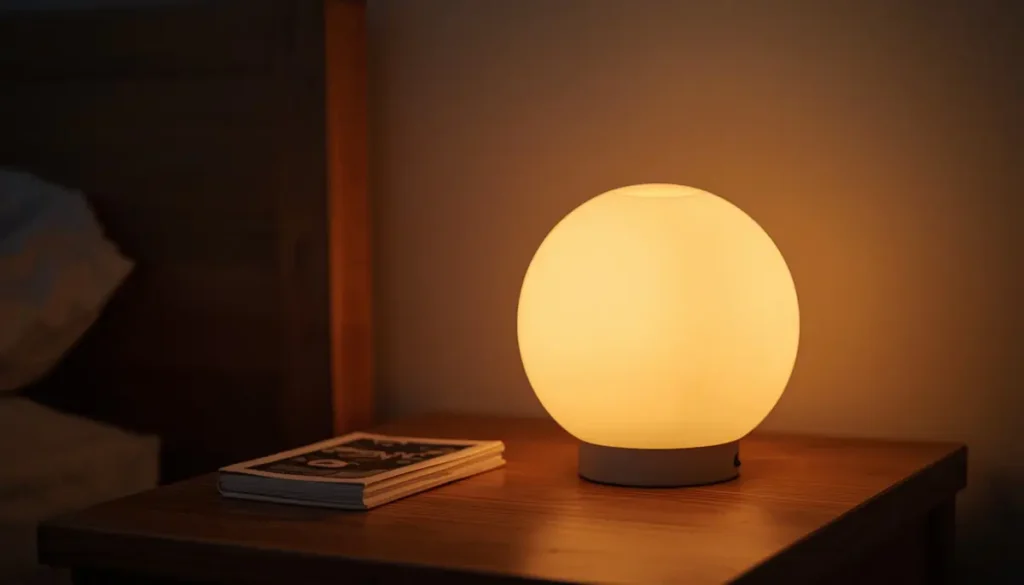
Pro Tip: Choose a stable lamp with appropriate safety features, manage electrical cords carefully, and position it where it cannot be easily knocked over.
7. Personalize the Room With a Name Sign
A personalized name sign can make a child’s bedroom feel unique without changing the entire design. Wooden lettering, simple acrylic signs, or understated painted letters can work with a variety of decor styles. You can place the sign above a dresser, on a gallery wall, or on a shelf where it becomes part of a small decorative display.
For a more flexible option, choose a design in a neutral color that will still work as your child’s interests and room decor change.
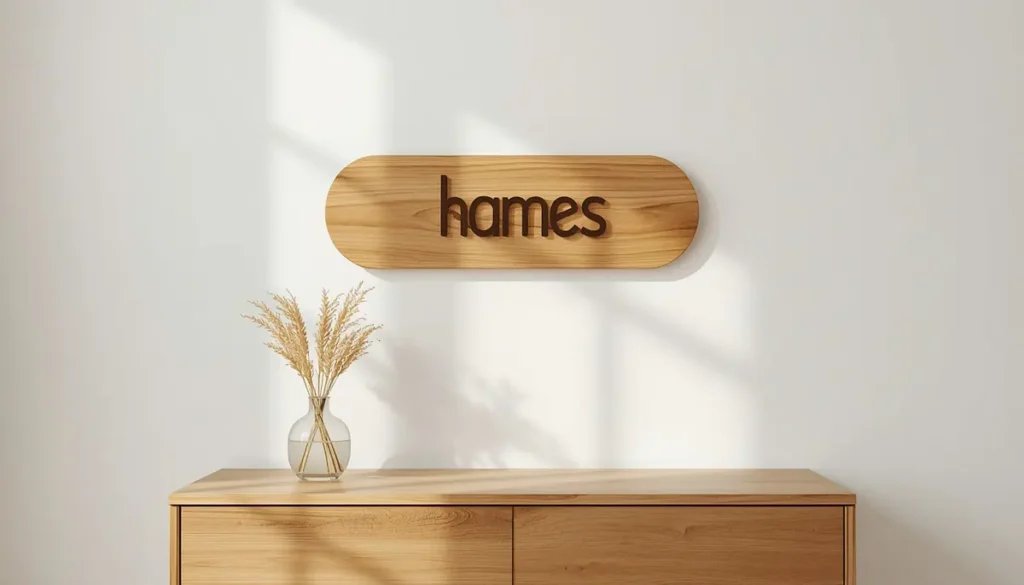
Pro Tip: Match the sign’s finish to one existing detail, such as the furniture, picture frames, or curtain rod. Mount it securely and keep it away from the bed if it is heavy.
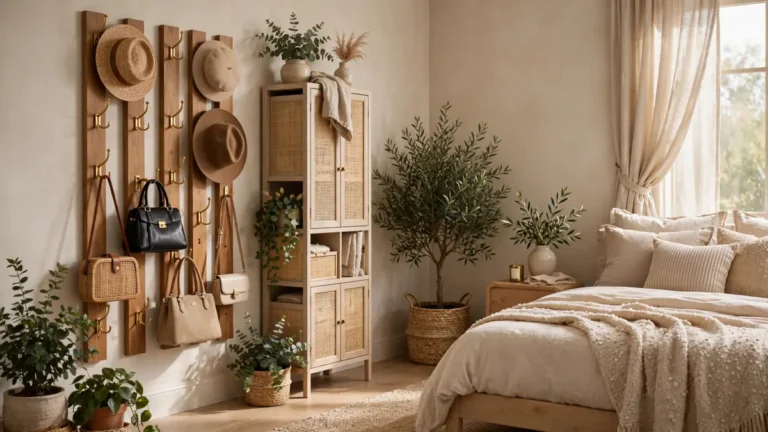
8. Organize Everyday Items With Decorative Baskets
Storage can be part of the decor rather than something that needs to be hidden. For more ways to keep a bedroom organized and make better use of available space, explore these bedroom storage ideas for practical solutions beyond decorative baskets. Woven baskets, fabric bins, and simple lidded containers can hold toys, books, extra blankets, or small accessories while keeping the room looking tidy.
Choose a few matching baskets or repeat similar colors to create a coordinated appearance. Natural textures work especially well in neutral bedrooms, while colored fabric bins can bring extra energy to a playful space.
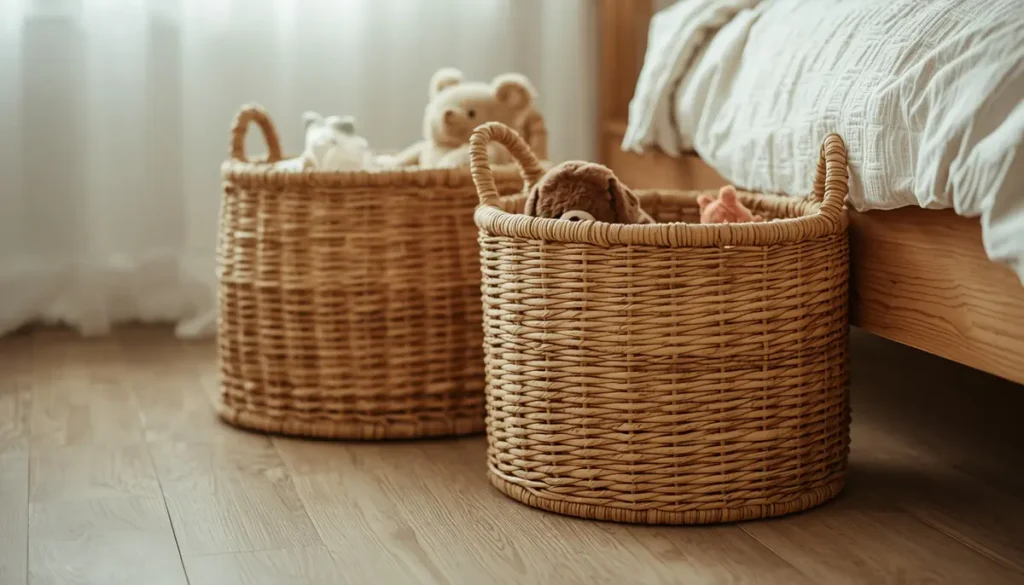
Pro Tip: Assign each basket a clear purpose, such as toys, books, or soft accessories. Keep frequently used items within easy reach and avoid placing heavy objects in high storage areas.
9. Refresh a Plain Wall With Wall Decals
Wall decals are a simple way to introduce a theme without committing to permanent wallpaper. Small stars, clouds, leaves, flowers, or animal shapes can add character to a plain wall. They are especially useful when you want to decorate a rental room or create an accent behind the bed.
Instead of covering the entire wall, choose one focused area and leave enough empty space for the design to stand out. A restrained arrangement often feels more intentional than dozens of scattered decals.
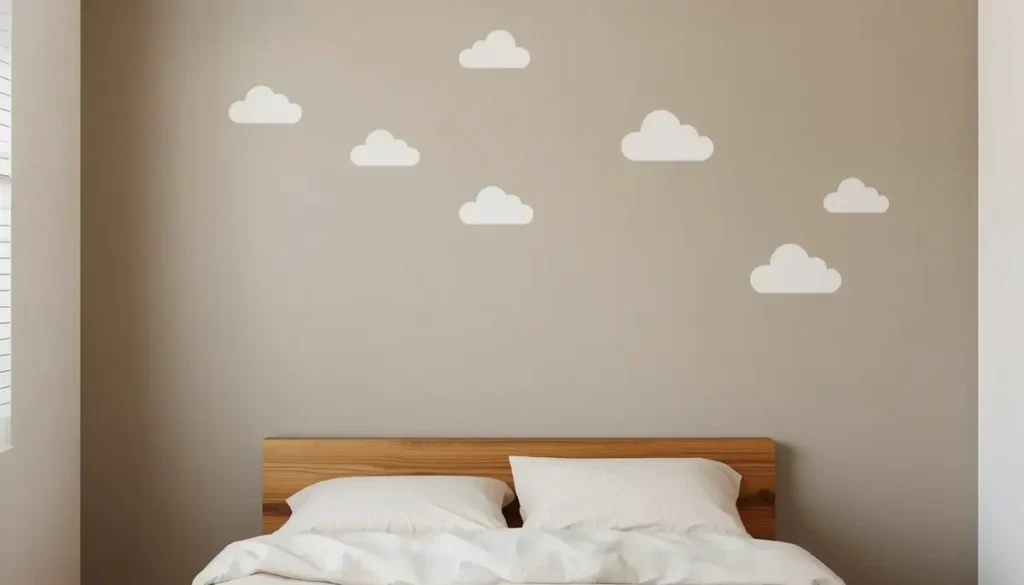
Pro Tip: Check that the decals are suitable for your wall finish and apply them according to the manufacturer’s instructions. Choose age-appropriate materials and keep loose or peeling pieces away from young children.
10. Make the Room Feel Brighter With a Decorative Mirror
A mirror can reflect natural light and help a small bedroom feel more open. A simple round mirror, an understated arched design, or a mirror with a subtle wooden frame can also act as a decorative feature.
Place it where it complements the furniture without competing with the wall art. In a child’s room, safety should come before appearance, so the mounting method and location matter just as much as the design.
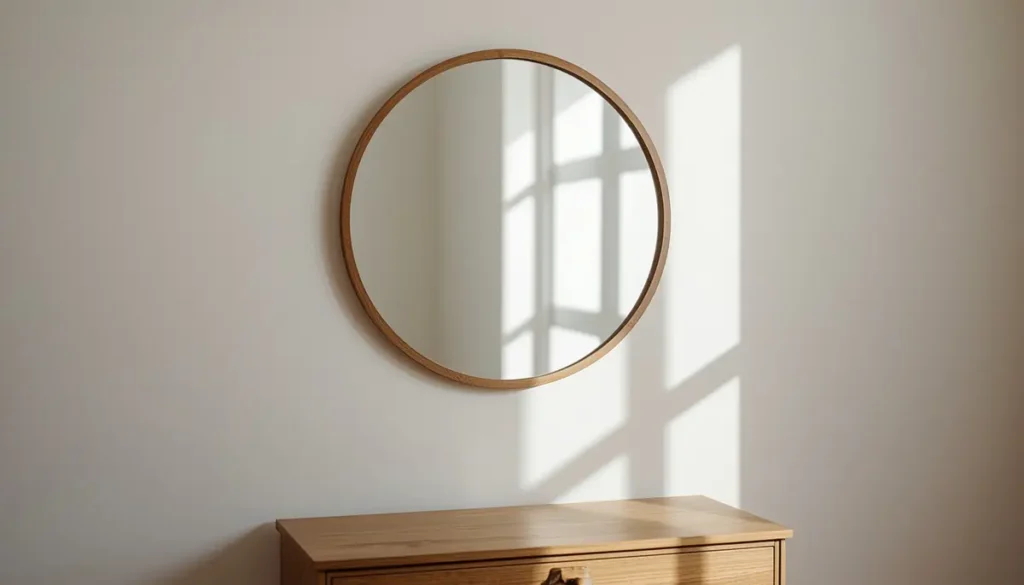
Pro Tip: Use a securely mounted, child-appropriate mirror and follow the manufacturer’s installation guidance. Avoid placing a heavy or fragile mirror above the bed or in an area where it could be knocked over.
11. Turn Favorite Books Into Decor With a Book Ledge
A book ledge makes favorite storybooks part of the room’s visual design. The covers add color and interest, while the books remain easy to find during reading time. A small ledge near a reading chair or beside the bed can create a welcoming little corner.
For a polished appearance, display a limited selection of books and rotate them occasionally. This keeps the arrangement fresh without filling the walls with too many items.
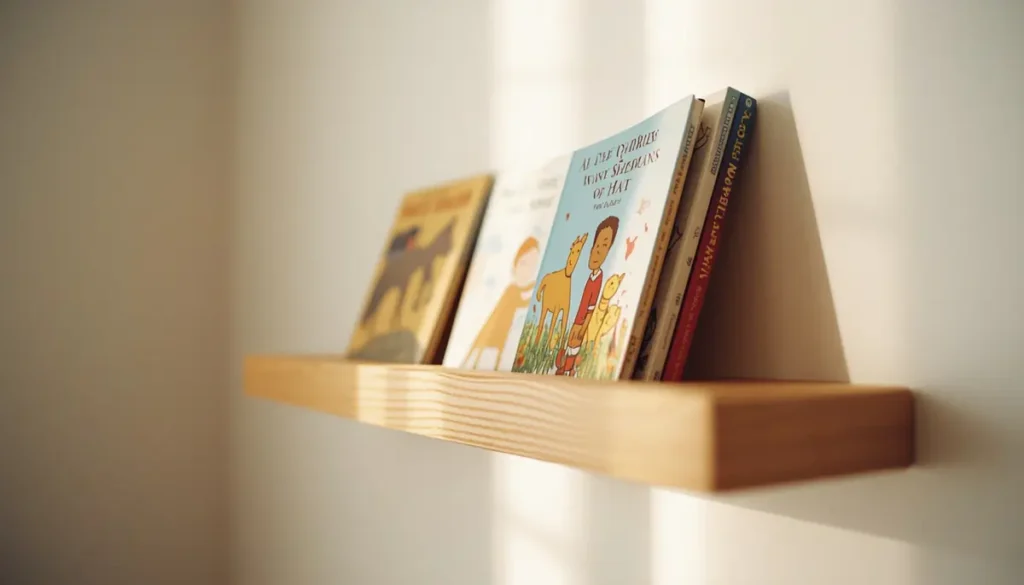
Pro Tip: Secure book ledges firmly to the wall and position them at a practical height. Keep the display light and avoid placing shelves where a child could use them for climbing.
12. Style a Bedside Table With a Small Tray
A decorative tray can make a bedside table or dresser look organized. It creates a designated place for small, suitable items such as a digital clock, a small decorative object, or other everyday essentials. A wooden, woven, or simple ceramic tray can complement the room without adding visual clutter.
The key is to keep the arrangement functional. A tray should gather a few items together rather than become another surface for collecting toys and miscellaneous belongings.
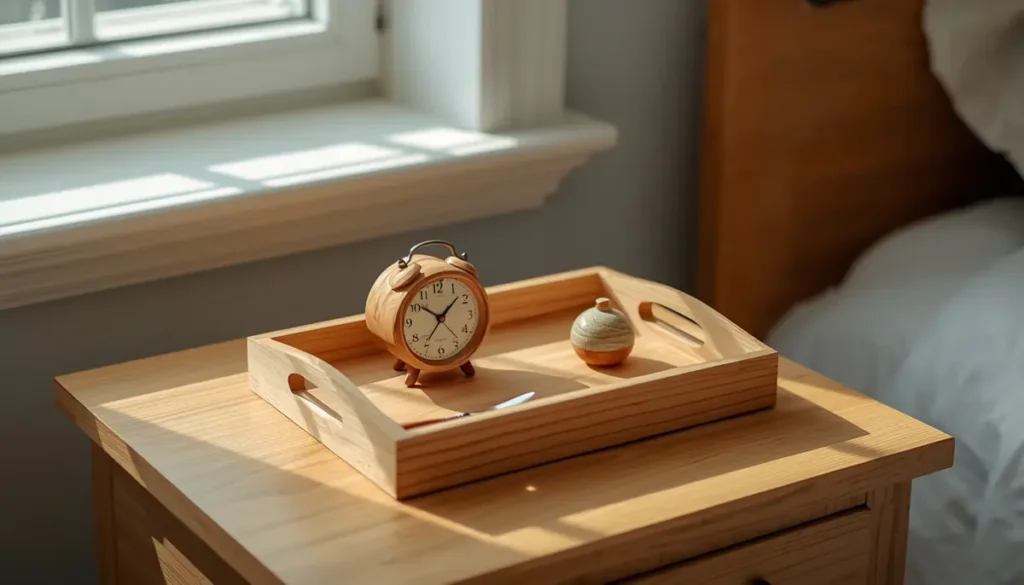
Pro Tip: Choose a tray that leaves enough free space on the table for practical use. Avoid placing small decorative objects within reach of children who might put them in their mouths.
13. Display Growth With a Decorative Height Chart
A growth chart can add a personal touch while creating a keepsake that families can enjoy over the years. Wooden measuring charts and simple wall-mounted designs can look attractive alongside framed art or a personalized name sign.
Choose a style that complements the bedroom instead of treating it as a separate theme. Neutral wood, understated illustrations, and simple markings can blend easily with different decor styles.
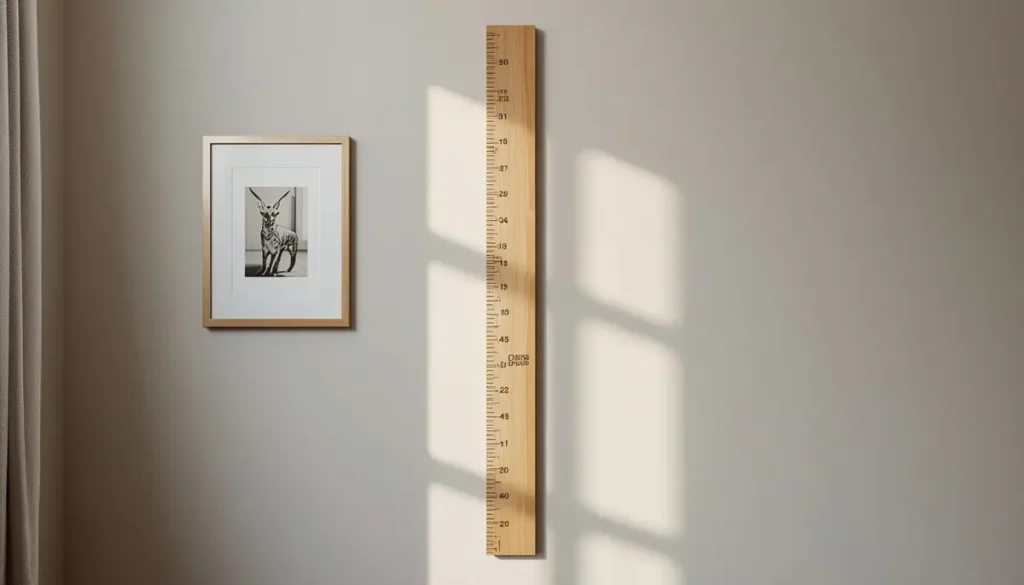
Pro Tip: Position the chart on a suitable wall away from furniture that could encourage climbing. Follow the manufacturer’s mounting instructions and record measurements consistently.
14. Add Decorative Wall Shelves for a Curated Display
A small wall shelf can provide space for a few books, framed prints, or lightweight decorative objects. It also helps use vertical space in bedrooms where floor area is limited. Simple wooden shelves work well in natural or Scandinavian-inspired rooms, while painted shelves can add a subtle accent color.
The most attractive displays usually include just a few items of different heights, with enough empty space to keep everything easy to see.
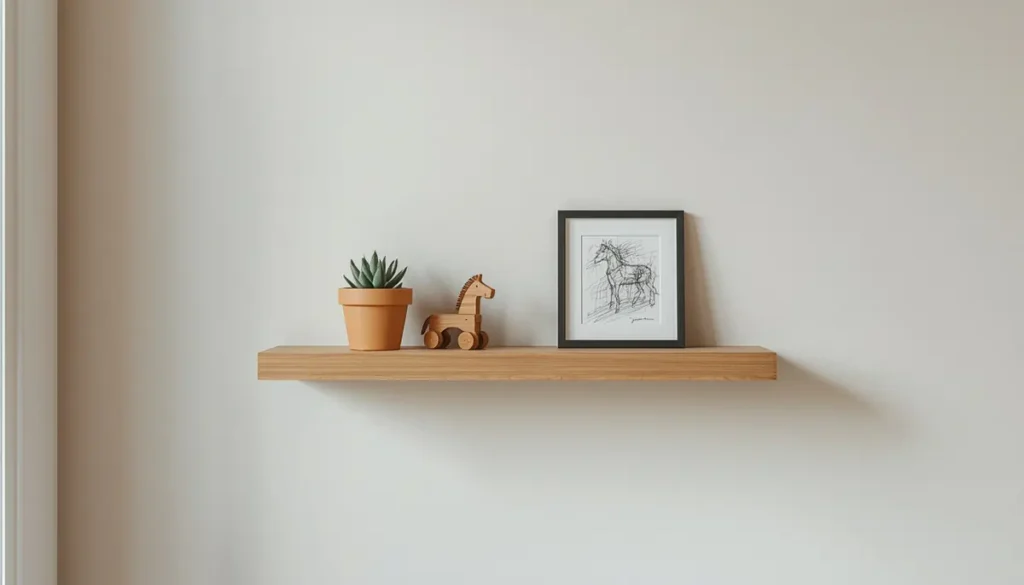
Pro Tip: Secure shelves to appropriate wall supports and keep displays lightweight. Store heavier belongings lower down and never rely on decorative shelves as climbing or support surfaces.
15. Create a Cozy Reading Corner With a Pouf or Floor Cushion
A floor cushion or pouf can turn an unused corner into a comfortable place for reading, drawing, or quiet play. Choose a fabric and color that work with the rug and curtains so the corner feels connected to the rest of the room.
You can complete the area with a small basket of books or a nearby reading light. There is no need to add lots of furniture; one comfortable seat and a few useful accessories can be enough.
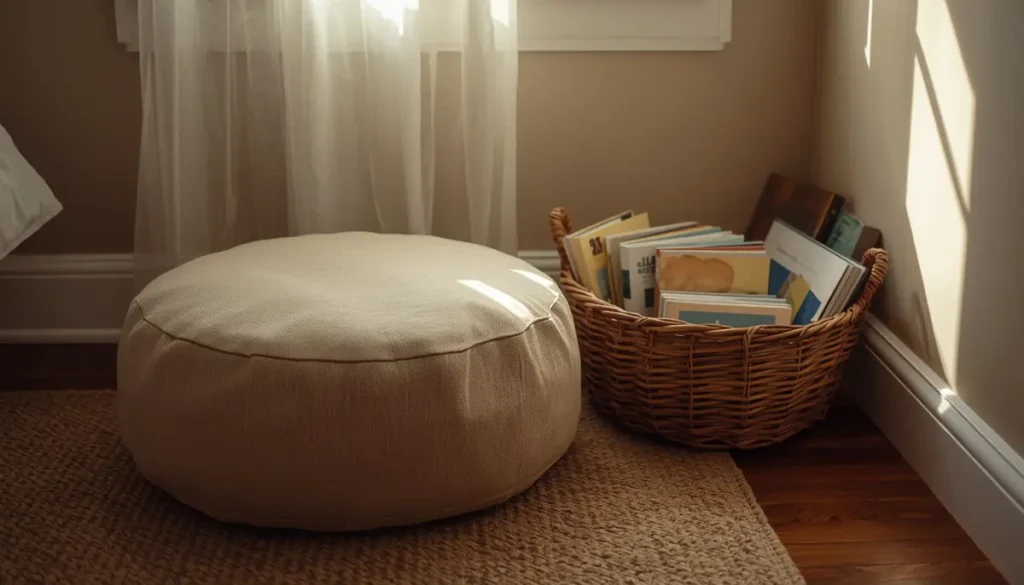
Pro Tip: Choose a washable cover and a size appropriate for your child’s age and room. Keep the corner clear of electrical cords and other tripping hazards.
16. Introduce a Decorative Wall Clock
A wall clock can add a finishing detail while helping older children learn to manage their routines. Choose a simple round design, a colorful clock that matches the bedding, or a playful shape that suits the room without overwhelming it.
For a more grown-up look, select a clock with a clean face and understated frame. This style can remain suitable even when the room’s other accessories change.
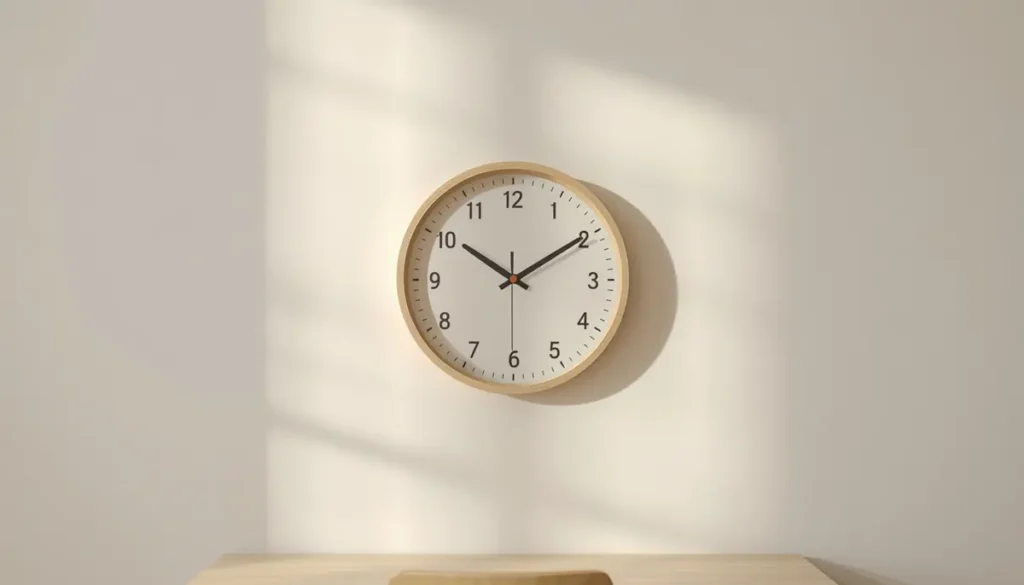
Pro Tip: Mount the clock securely in a visible but safe location. Keep it away from the bed if it is heavy or contains fragile parts.
17. Complete the Bed With Coordinated Bedding Accessories
Bedding is often the largest visual feature in a child’s bedroom, so small accessories can make a big difference. A coordinated duvet cover, pillowcases, and a simple bed skirt or fitted sheet can help the bed look intentional without requiring a full themed set.
You can use a neutral base and introduce playful patterns through one or two smaller details. This makes it easier to update the room later without replacing everything.

Pro Tip: Repeat two or three colors across the bedding, rug, and wall art. For infants and toddlers, follow age-appropriate bedding and sleep-safety recommendations.
18. Turn Your Child’s Artwork Into a Personal Display
Children’s own drawings and paintings can be some of the most meaningful decorations in a bedroom. Framing a favorite picture or arranging a small collection of artwork adds color and personality that store-bought accessories cannot replicate.
Use similar frames or a simple display style to make different drawings feel connected. You can also rotate the artwork as new favorites appear, keeping the room personal without permanently filling every wall.
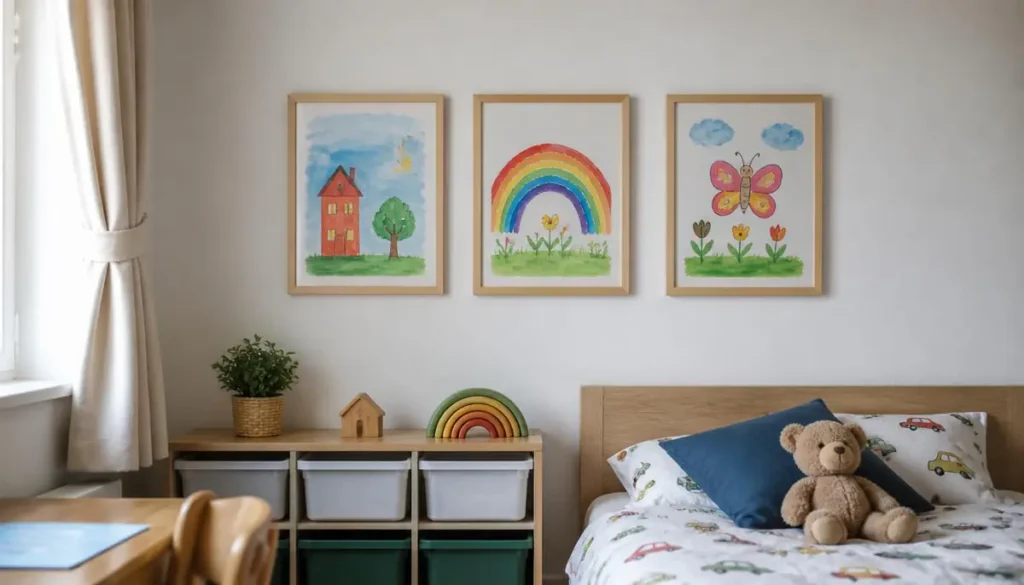
Pro Tip: Choose lightweight frames or a secure display system and mount everything properly. Keep heavier frames away from sleeping areas and update the display whenever your child creates something new.
How to Make Kids Bedroom Decor Ideas Work Together
Choosing attractive accessories is only part of creating a finished bedroom. The room will feel more cohesive when the colors, textures, and decorative details work together.
Choose Two or Three Colors to Repeat
Start with a simple color palette. You might choose warm white, sage green, and natural wood, or combine soft pink, cream, and a muted terracotta accent. Repeat these colors across the rug, bedding, curtains, artwork, and smaller decor pieces.
Repeating a few shades helps the room feel coordinated, even when individual accessories have different patterns or shapes.
Balance Playful Details With Simple Pieces
A child’s room should have personality, but every item does not need to be bright or themed. If the bedding features a bold print, pair it with simpler curtains and a neutral rug. If the walls are understated, use colorful pillows or artwork to add character.
This balance helps the room feel cheerful without becoming visually overwhelming.
Prioritize Comfort and Everyday Function
The best kids bedroom decor ideas improve how the room looks and how it works. Soft rugs, practical baskets, accessible book displays, and comfortable reading corners can make the space more enjoyable to use.
Before adding a new accessory, consider where it will go and whether it serves a useful purpose. Leaving some open space can make even a small bedroom feel calmer and easier to maintain.
Choose Decor That Can Grow With Your Child
Children’s interests change quickly, so it helps to keep the larger decor elements relatively flexible. Neutral furniture, classic curtains, and simple rugs can work for years, while removable wall decals, colorful pillows, and themed artwork can be changed as preferences evolve.
This approach lets you refresh the bedroom gradually instead of redesigning it every time your child’s favorite color or character changes.
Frequently Asked Questions
How can I make my child’s bedroom look more finished?
Start with the bed, walls, and floor. Add coordinated bedding, a soft rug, framed artwork, and one or two personal accents. Repeating a few colors throughout the room can make the entire space feel more complete.
What decor items make the biggest difference in a kids’ bedroom?
A rug, bedding, curtains, and wall art often have the greatest visual impact because they occupy noticeable areas of the room. Smaller accessories, such as pillows, baskets, lamps, and personalized signs, help bring everything together.
How can I decorate a kids’ bedroom without making it look cluttered?
Choose a limited color palette, group similar accessories together, and leave some surfaces and wall space empty. Use baskets to organize everyday belongings and display only a few favorite decorative items at a time.
What are some affordable kids bedroom decor ideas?
Refresh existing bedding with a coordinating throw, frame your child’s artwork, rearrange accessories you already own, or use simple storage baskets to organize toys. Small changes can make the room feel different without requiring new furniture.
How do I decorate a kids’ bedroom that can grow with them?
Choose versatile furniture and timeless base colors, then introduce age-specific details through artwork, pillows, removable decals, and small accessories. These items are easier to update as your child’s interests change.
How can I make a small kids’ bedroom feel more spacious?
Keep the floor as open as possible, use vertical storage, and avoid overcrowding shelves and bedside surfaces. Light-colored textiles and a coordinated palette can also help the room feel more open and visually calm.
Final Thoughts
The best kids bedroom decor ideas are not necessarily the most elaborate ones. Often, it’s the small details—a soft rug, a few framed pictures, coordinated bedding, practical baskets, or a display of your child’s artwork—that make a bedroom feel personal and complete.
Start with the areas that look unfinished, then choose a few accessories that complement the furniture and colors already in the room. By balancing playful touches with practical choices, you can create a bedroom that feels welcoming, organized, and full of personality without making it look cluttered.